Applied Focus Areas
WElab operates as the "human software" for urban impact. We do not generate the base science; we translate it. By partnering with the elite researchers at UNAM’s Institute of Ecology, WElab takes cutting-edge biological data and runs it through our Academy/Forum/Lab methodology to produce scalable, physical urban solutions.We are currently structuring our international cohorts around three urgent Applied Impact Verticals, specifically aligned with Canadian climate mandates and European NEB priorities:

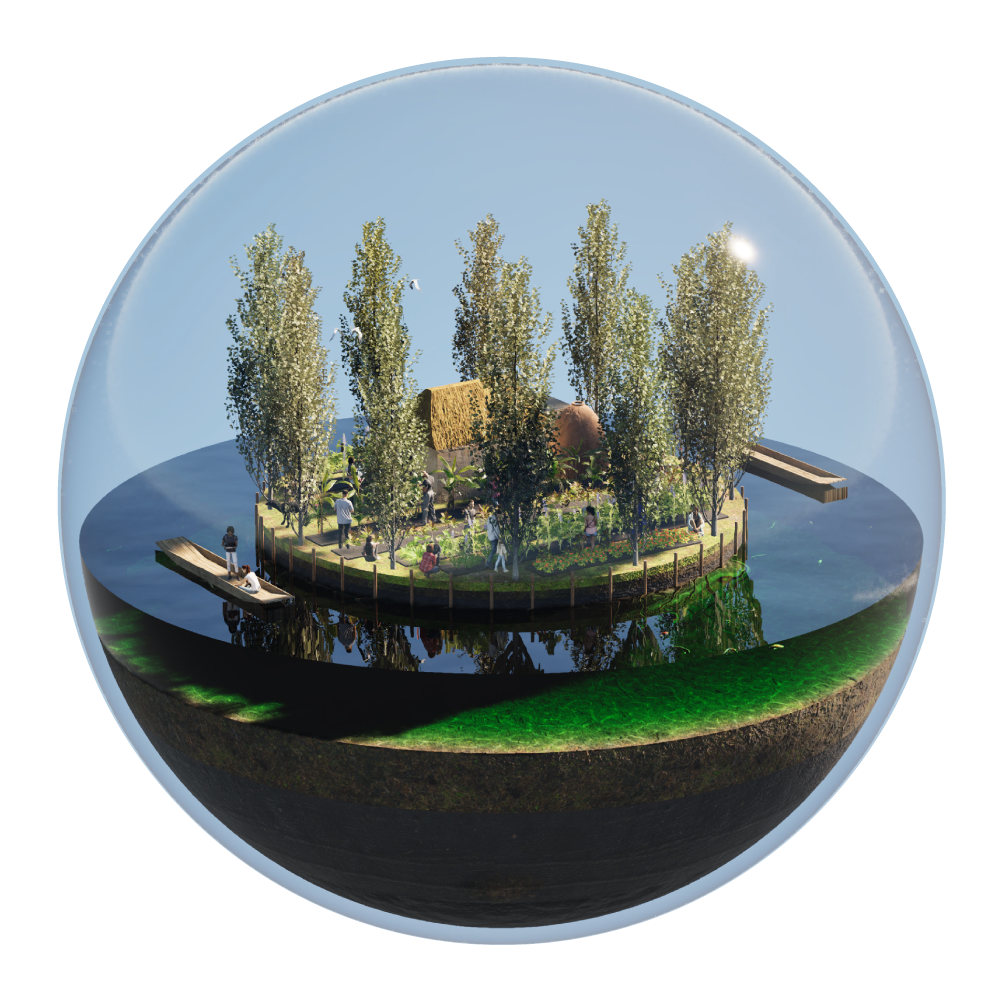
Decentralized Circular Nodes & Agri-Food Systems
Engineering closed-loop micro-infrastructure for communities. This includes prototyping integrated systems for community spaces (e.g., circular community kitchens) that optimize local food security, harvest rainwater, and convert organic waste into usable energy or compost, applying systems-engineering to neighborhood-scale challenges.
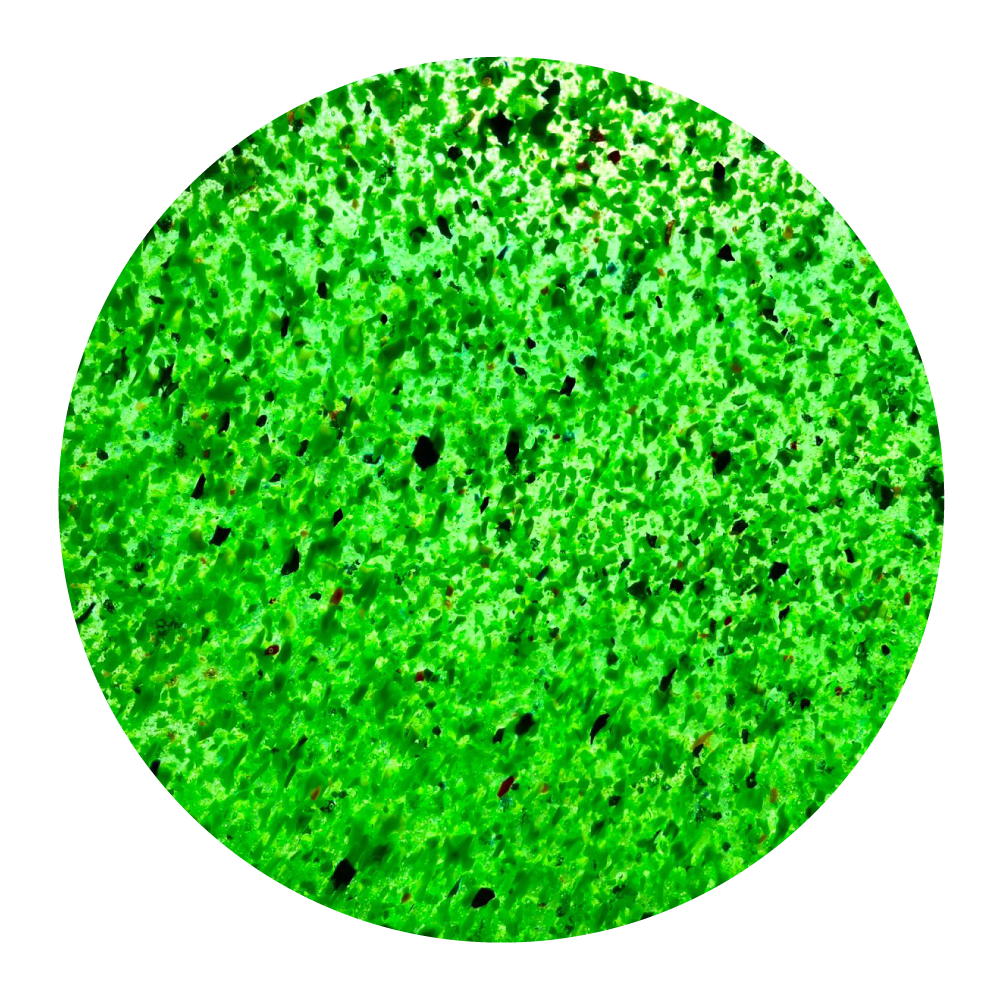
Next-Gen Circular Biomaterials & Waste Reduction
Developing weather-resistant urban surfaces and infrastructure components from industrial, agricultural, or urban waste, replacing high-carbon materials with circular alternatives.
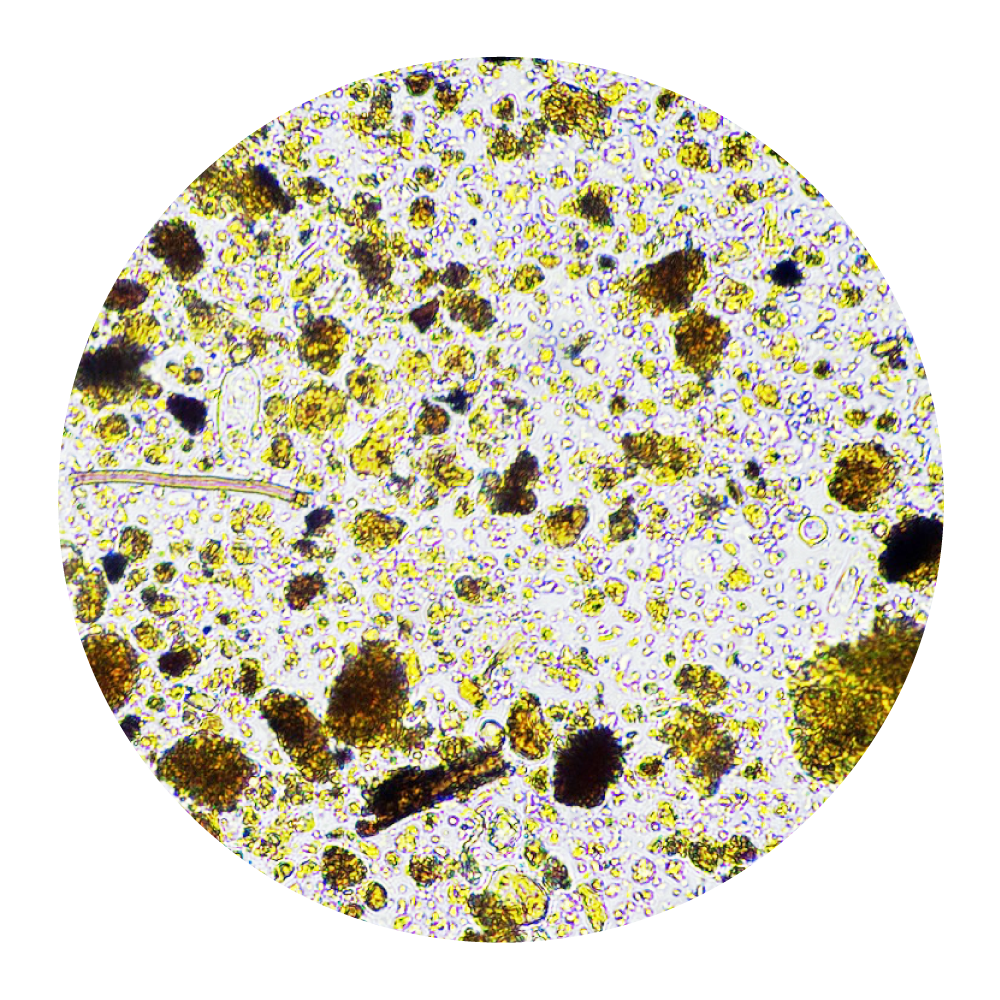
Urban Water Resilience & Eco-Remediation
Designing passive filtration nodes, microbiome remediation strategies, and public health tech interventions for stressed urban bodies of water. Moving beyond "planting trees" to designing hyper-efficient, microorganism-rich public green spaces (urban carbon sinks) that actively scrub carbon from the atmosphere while providing modular seating and community gathering nodes.
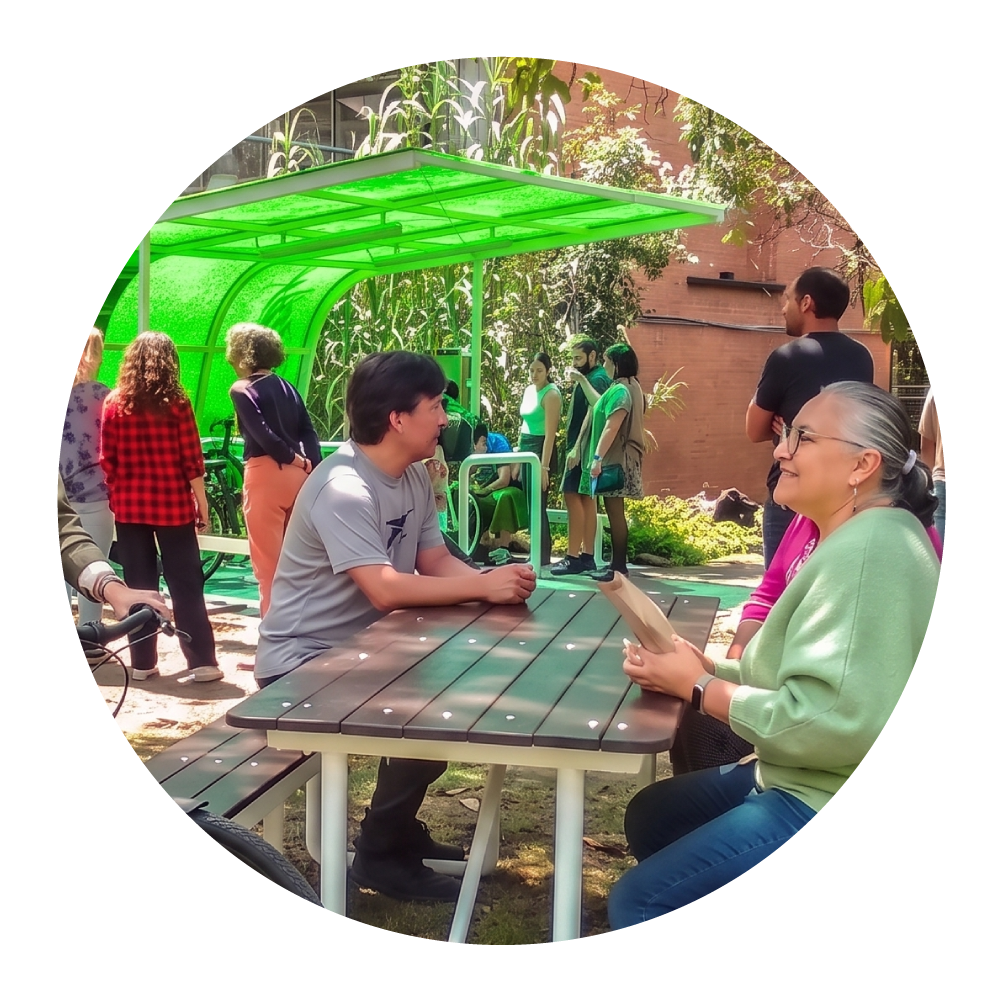
Human-Centred Sustainable Public Space Design
Fusing climate-tech and bio-infrastructure (e.g., carbon-capturing modules) with usability and aesthetic design, ensuring that sustainable technology is successfully adopted by the public.